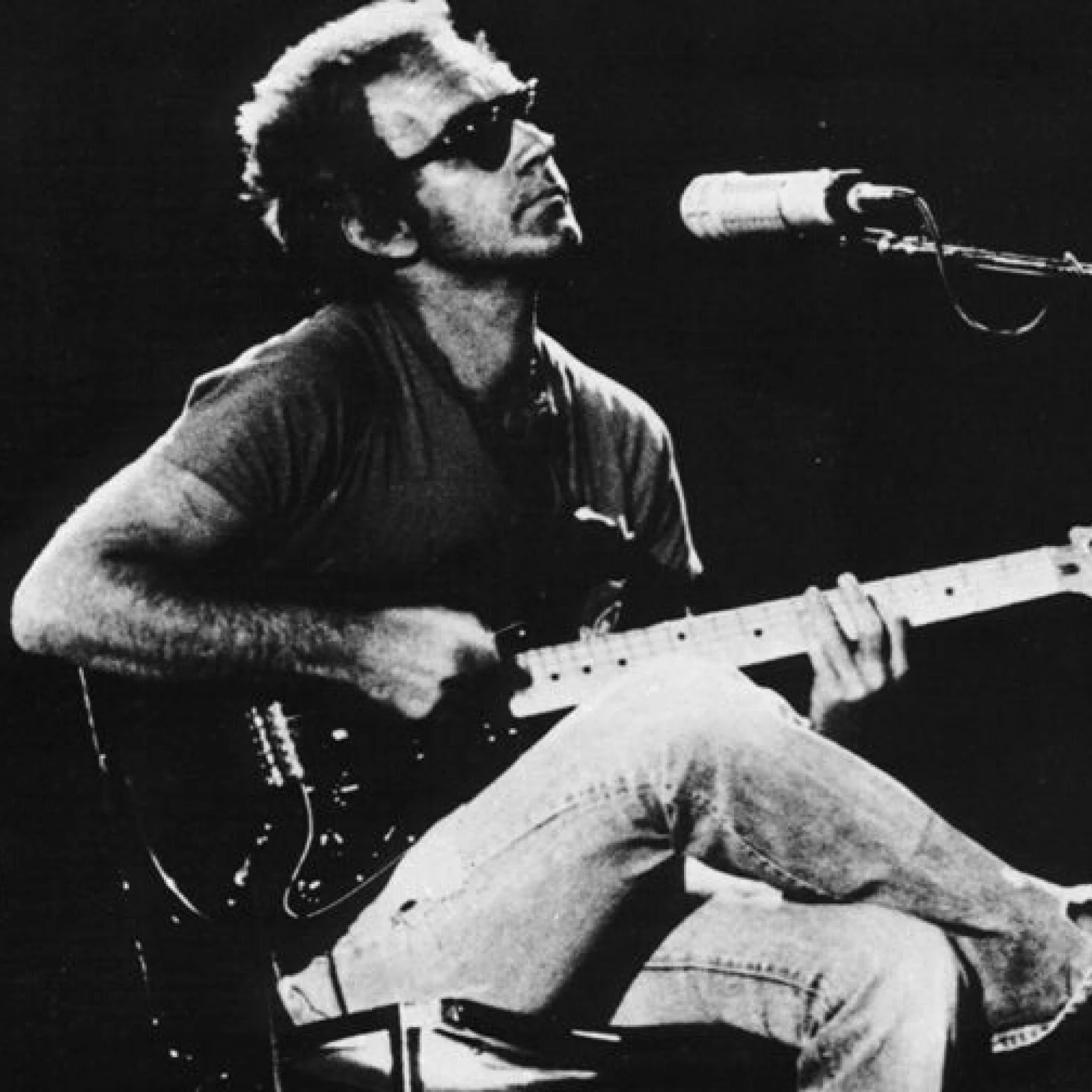
J.J. Cale
John Weldon "J. J." Cale (December 5, 1938 – July 26, 2013) was an American guitarist, singer, and songwriter. He is associated with the development of the Tulsa sound, a style drawing on blues, rockabilly, country, and jazz. His work has been cited as an influence by musicians including Neil Young, Mark Knopfler, Waylon Jennings, and Eric Clapton. He was known for a restrained vocal style and relaxed musical arrangements, which remained consistent throughout his career. Read more on Last.fm
John Weldon "J. J." Cale (December 5, 1938 – July 26, 2013) was an American guitarist, singer, and songwriter. He is associated with the development of the Tulsa sound, a style drawing on blues, rockabilly, country, and jazz. His work has been cited as an influence by musicians including Neil Young, Mark Knopfler, Waylon Jennings, and Eric Clapton. He was known for a restrained vocal style and relaxed musical arrangements, which remained consistent throughout his career. In 2008, Cale and Eric Clapton received a Grammy Award for the album "The Road to Escondido". Cale was born in Oklahoma City, Oklahoma, and grew up in Tulsa, Oklahoma, where he graduated from Tulsa Central High School in 1956. He learned guitar during his youth and also studied sound engineering, building a home recording setup while still living with his parents. After finishing school, he served in the United States Air Force, where he received technical training in electronics and audio-related work. His experience with recording and mixing later contributed to the production style of his studio albums. In the early 1960s, Cale moved to Los Angeles with other musicians from Tulsa. He worked as a studio engineer and performed in clubs. In 1964, a recording of his song "Lazy Me" became a regional success for singer Mel McDaniel. In 1965, he performed regularly at the Whisky a Go Go, where he was given the name "J. J. Cale" to distinguish him from John Cale of The Velvet Underground. In 1966, he recorded a demo single of "After Midnight" with "Slow Motion" as the B-side for Liberty Records. The recording circulated among musicians in Los Angeles. Eric Clapton later recorded "After Midnight", which became a commercial success and brought wider attention to Cale's songwriting. Cale returned to Tulsa in 1967 after limited success as a recording artist and financial difficulties working as a studio engineer. He performed locally and continued writing music. In 1970, Cale learned that Clapton had recorded "After Midnight". He later recalled that he had not initially been aware of the release. The exposure led to renewed interest in his songwriting. His debut album "Naturally" was released in 1971 and established his characteristic production approach, combining elements of blues, folk, and jazz with understated arrangements and the use of early drum machines. The single "Crazy Mama" reached number 22 on the US Billboard Hot 100 in 1972. Cale declined an appearance on American Bandstand because he was not allowed to perform with his band and was required to lip-sync. His second album, "Really", was produced by Audie Ashworth and continued his established musical style. Cale’s work during this period further developed what became known as the Tulsa sound, combining blues, country, jazz, and rock elements. He frequently handled multiple roles in recording, including performance, engineering, and production. Cale earned songwriting royalties through recordings of his songs by other artists, including Lynyrd Skynyrd’s version of "Call Me the Breeze". His third album, "Okie", included songs that were later recorded by other musicians, such as "I Got the Same Old Blues" and "Cajun Moon". The 1976 album "Troubadour" included "Cocaine", which was later recorded by Eric Clapton and became widely known. Cale described the song as being influenced by Mose Allison’s style, while Clapton has described its lyrics as having an anti-drug interpretation. By 1979, Cale had begun a relationship with musician Christine Lakeland, who appeared on his album "5". They later married. During this period, Cale also participated in a recorded live session with Leon Russell, featuring material from the album. In the 1980s, Cale moved to California and lived a private lifestyle, avoiding public attention. He released albums including "Shades" and "Grasshopper", working with various session musicians. His 1983 album "#8" received limited commercial and critical attention, and he later left his record label. After this period, he reduced his recording activity. The 1989 album "Travel-Log" was his first self-produced release without long-time producer Audie Ashworth. The album included songs with themes related to travel and geography, although Cale stated it was not intended as a concept album. In the 1990s, Cale released albums including "Number 10", "Closer to You", and "Guitar Man". These releases incorporated varying production approaches, including increased use of synthesizers and reduced reliance on session musicians. His recording activity slowed after "Guitar Man". Between 1996 and 2003, Cale did not release new material, although his influence as a songwriter and guitarist continued to be acknowledged by other musicians. In 2004, he released "To Tulsa and Back", returning to collaboration with Audie Ashworth. The album included a range of styles associated with his earlier work, along with updated production techniques. It also contained politically themed material, including "The Problem", which referenced then-US President George W. Bush, and "Stone River", which addressed environmental concerns. In 2004, Cale performed at the Crossroads Guitar Festival organised by Eric Clapton. Following this event, he collaborated with Clapton on the album "The Road to Escondido", released in 2006. The album featured contributions from several musicians and included both new material and re-recordings of earlier songs. It received a Grammy Award for Best Contemporary Blues Album in 2008. Cale died in San Diego, California, on July 26, 2013, at the age of 74, following a heart attack. A posthumous album of previously unreleased recordings, "Stay Around", was released in 2019. Full Wikipedia article: https://en.wikipedia.org/wiki/JJ_Cale Studio albums Naturally (1971) Really (1972) Okie (1974) Troubadour (1976) 5 (1979) Shades (1981) Grasshopper (1982) #8 (1983) Travel-Log (1989) Number 10 (1992) Closer to You (1994) Guitar Man (1996) To Tulsa and Back (2004) Roll On (2009) Stay Around (2019) Read more on Last.fm. User-contributed text is available under the Creative Commons By-SA License; additional terms may apply.
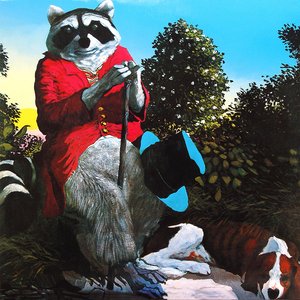
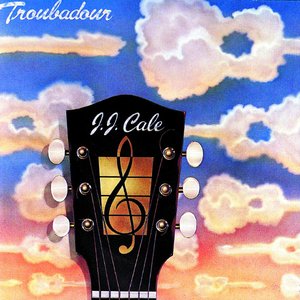
-
After midnight
J.J. CaleNaturally (1966)
John J. Cale -
Cocaine
J.J. CaleTroubadour (1976)
John J. Cale